Future of Lebanon after years of war
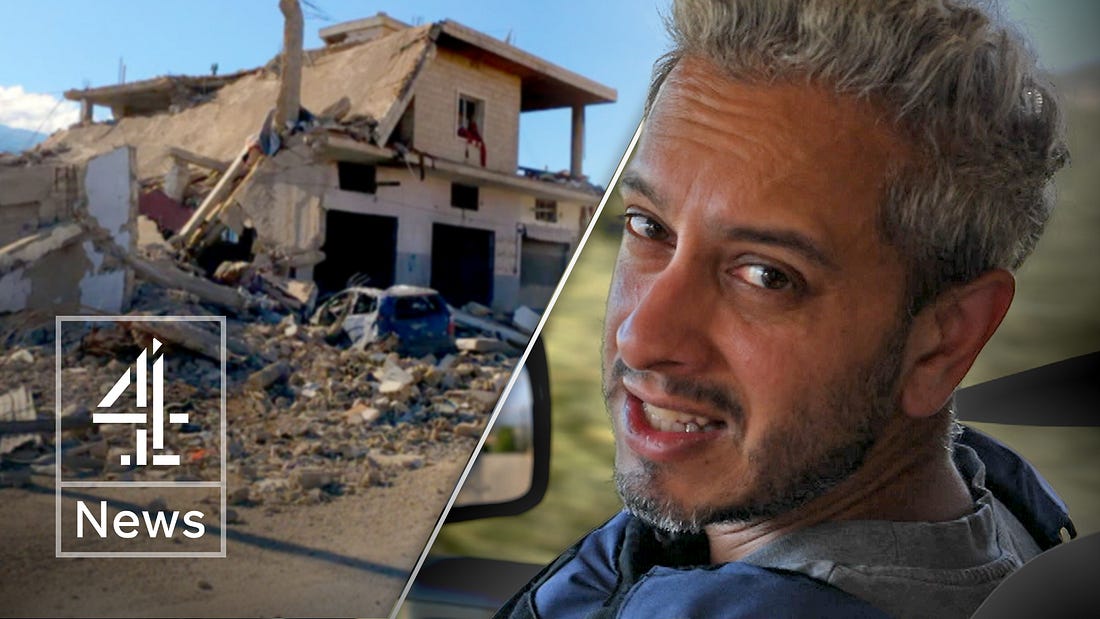
Large swathes of Lebanon have been reduced to rubble during Israel’s war with Hezbollah. But that isn’t stopping people from returning to their homes, writes Secunder Kermani.
Secunder Kermani
June 17
 |
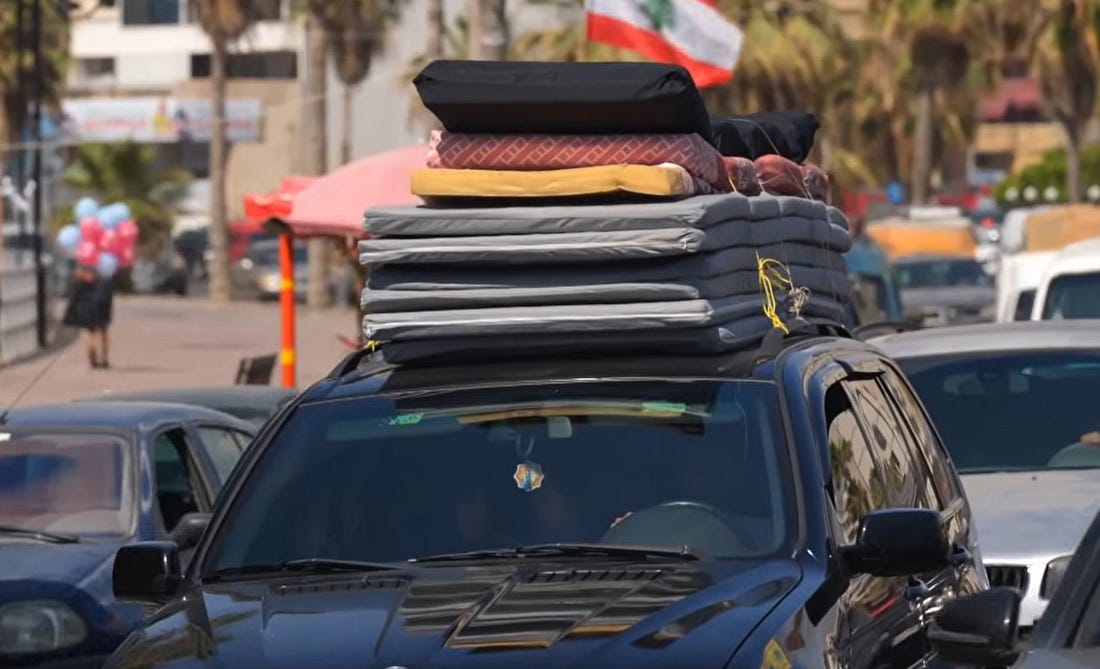
The highway leading south from Beirut teemed with traffic: cars carrying families displaced by the war returning home, vans with mattresses piled on their roofs.
 Subscribed
A few waved Hezbollah or even Iranian flags, others just wanted to get back as quickly as possible.
The agreement between the US and Iran has brought a cautious sense of relief to Lebanon, bringing with it a ceasefire between Israel and Hezbollah, even if no-one seems clear yet on its full terms or how long it will last. It already appears to be fraying with allegations that Israeli troops have killed several people in a number of strikes, amid claims Hezbollah fired at them.
You’re reading the latest edition of FourGround, a bespoke newsletter brought to you by Channel 4 News’ experienced journalists reporting on the ground from locations across the world.
 |
Déjà vu
I witnessed almost identical scenes alongside the same stretch of road in late 2024, following another devastating war between Israel and Hezbollah.
That round of the conflict was followed by a ceasefire, in which Israel continued carrying out what it claimed was “targeted” strikes in southern Lebanon, killing at least 400 people. Israel says it was preventing Hezbollah rearming in the region in 2024. The victims included around 50 women and children.
 |
Hezbollah did not strike back until Israel, alongside the US, began attacking the group’s sponsor Iran in February. Many in Lebanon accused Hezbollah of dragging the entire country into a war they wanted no part of.
2026 conflict
When I spoke with one of Hezbollah’s members of the Lebanese Parliament, Hussein Hajj Hassan last week, he rejected that, insisting the group entered the war to try and improve the situation in southern Lebanon and put an end to the Israeli attacks that had continued throughout the “ceasefire” period.
Hezbollah can point to some battlefield achievements: It has killed a few dozen Israeli soldiers and, despite Israel’s heavy airstrikes, its army has been unable to come anywhere close to eradicating Hezbollah’s capabilities.
The group has made effective use of new fibre-optic drones, complete with videos released on social media showing them crashing into their Israeli targets.
However, the toll on Lebanon as a nation has been far greater. Around 3,800 people have been killed in the country since the conflict began, and Israel now controls significantly more territory in southern Lebanon than it previously did.
What next?
Even the Hezbollah MP I spoke with, Hussein Hajj Hassan, said the situation in southern Lebanon had only deteriorated further following the war. But he insisted Iran would help press for a full withdrawal of Israeli troops and an end to the attacks.
Iran’s Foreign Minister has said a full peace deal with the US would require Israeli troops to leave. Israel’s Prime Minister however, has announced its army will not pull back from the areas it currently occupies. Many people believe that means the conflict in Lebanon could still have the potential to derail the fragile US-Iran negotiations.
 |
President Donald Trump, pictured above, is growing ever-more frustrated with Israeli actions in the country, but it’s not clear how much he is willing to lean on Netanyahu, who is himself facing significant internal criticism for not having made further progress in fighting Hezbollah and preventing the group from being able to fire across the border into northern Israel.
Opinion on the war in southern Lebanon can be hard to truly gauge for outsiders, with public criticism of Hezbollah rare.
But it’s clear from my time here that the group still enjoys significant support.
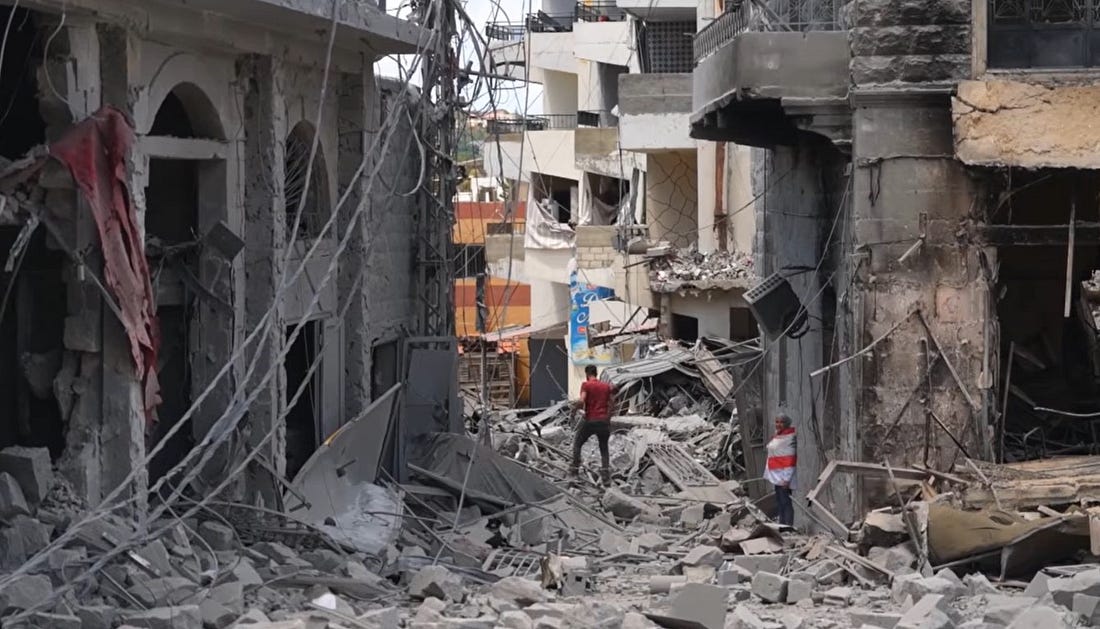 |
In the city of Nabatieh, where the historic central market now looks as if it’s been flattened by an earthquake, such has been the ferocity of Israel’s airstrikes, many we met proclaimed their continued support for the “resistance”, as Hezbollah is often referred to locally.
“If it weren’t for Hezbollah, Israel would have taken control of the city,” one woman told me as she began assessing the damage done to her home and watering the houseplants she had to leave behind when fleeing the war.
Martyrdom and sacrifice
Paramedics who had been allegedly repeatedly targeted by Israeli “double tap” and even “triple tap” strikes were now busy raising a banner ahead of Ashura, the annual, deeply emotive commemoration of the 7th century martyrdom of Hussain ibn Ali, a foundational figure in Shia Islam whose followers dominate southern Lebanon.
 |
This year the paramedic teams will no doubt be commemorating their colleagues’ own sacrifices too, killed in attacks human rights groups describe as clear war crimes. Israel has offered no meaningful justification for claims it carried out double tap strikes, but has accused ambulances of transporting weapons and fighters.
Hussain is believed to have been killed on the battlefield, fighting against a far more powerful and tyrannical leader. His refusal to submit to injustice, even though it would cost him his life, is considered an example to aspire to by all Shia Muslims, and is routinely cited by those supportive of Hezbollah’s fight against Israel.
At the funeral of a paramedic in earlier Beirut last week, one of the victim’s grieving friends referenced the Battle of Karbala, in which Hussain was killed, before turning to the contemporary conflict in Lebanon in poetic terms laden with spiritual symbolism.

“This land must be irrigated with blood,” he said. “It is never satiated… We must keep sacrificing until it is liberated.”
‘We are so tired’
Others within the community are exhausted by the bloodshed and multiple rounds of conflict.
“We can’t blame them,” one man told me, referring to Hezbollah, at another funeral ceremony. “But we are tired, so tired.”
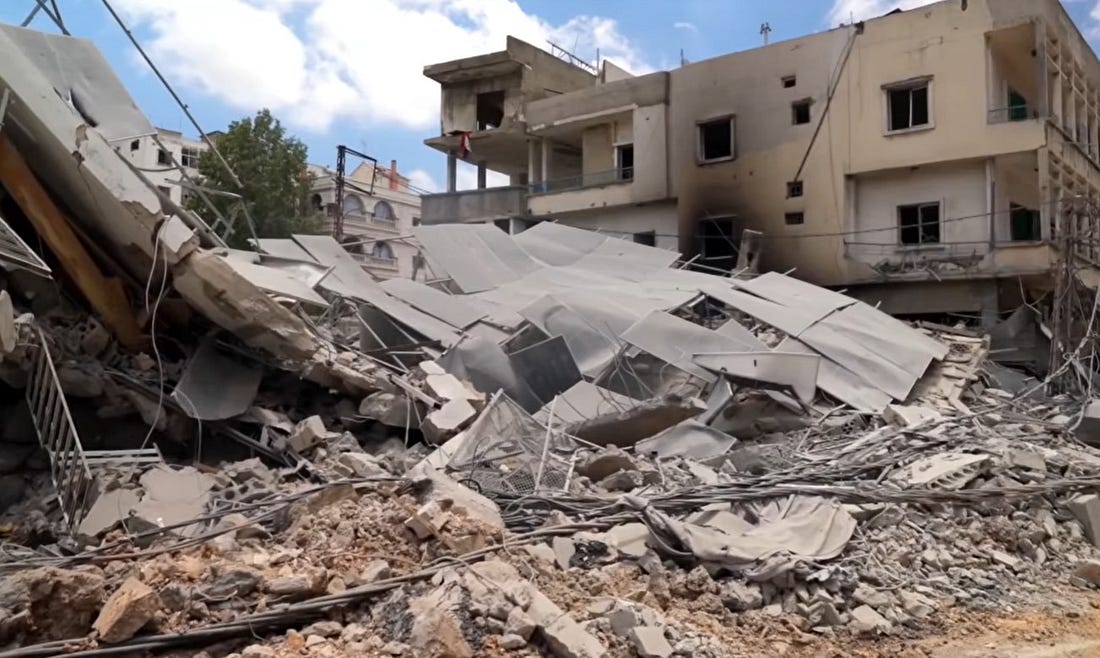
And not everyone from southern Lebanon is yet able to return home. Israeli soldiers are still occupying Shia villages along the border, razing many of them completely to the ground, explicitly following similar tactics to those carried out in Gaza.
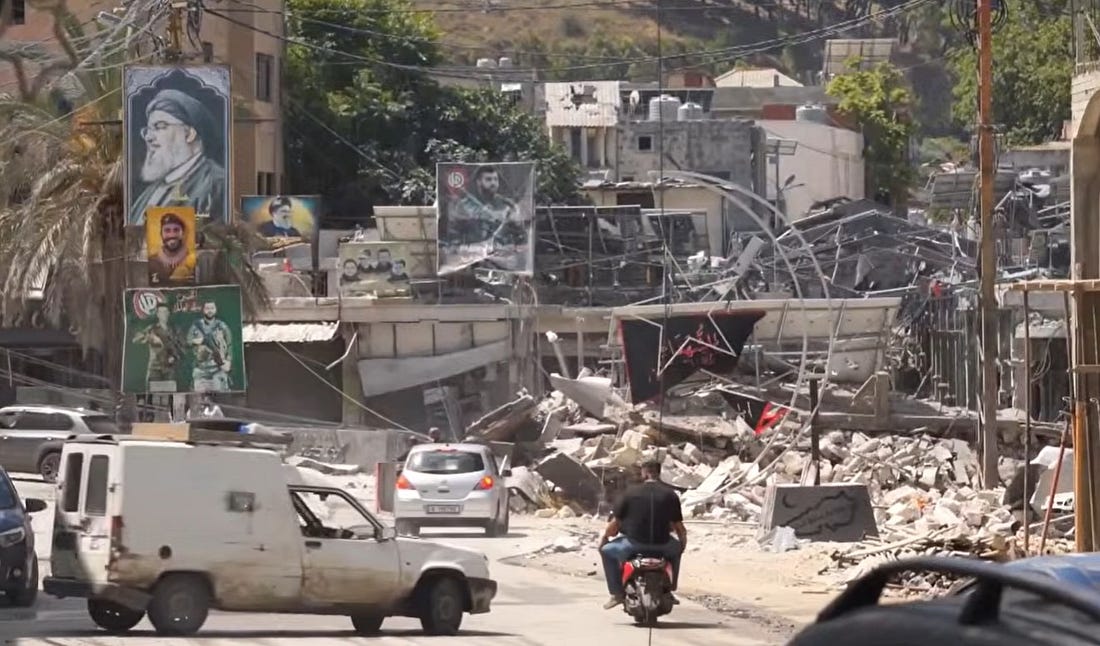 |
Rabeeh and his young children live in a flimsy tent, under the baking sun and overshadowed by some of Beirut’s most expensive property. They come from Khiam, a village that has been largely demolished.
“I feel like stepping in front of an Israeli tank that’s on my land and telling them: ‘Shoot me, do whatever you want with me’,” he told me.
He vents his ire in all directions: “I place my fate and my children’s fate on the responsibility of those in charge, whose children stay in the most luxurious hotels whilst my children suffer here.”
Life under Israeli control in southern Lebanon’s ‘buffer zone’
Thanks for reading the latest edition of our free FourGround newsletter. Subscribe below to keep up to date with Channel 4 News on Substack.
No comments:
Post a Comment